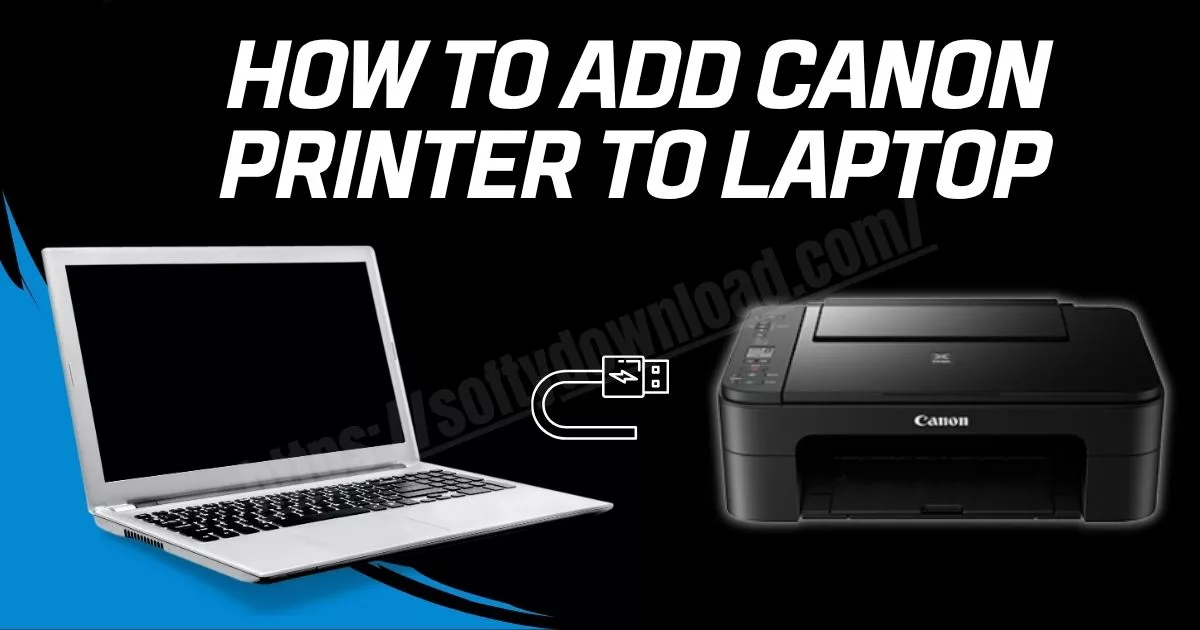
Setting up your Canon printer with your laptop doesn’t have to be complicated. This Canon printer setup laptop guide is designed for home users, students, and small business owners who want to get their printer connected quickly and reliably.
We’ll walk you through the complete process of how to connect Canon printer to laptop, starting with checking your system’s compatibility and gathering the right cables or network information. You’ll learn the step-by-step Canon printer driver installation process and discover how to configure your printer settings for optimal performance. By the end, you’ll know exactly how to add Canon printer Windows systems and troubleshoot common connection issues that might pop up along the way.
Verify your laptop’s operating system version
Before starting your Canon printer setup laptop process, check your operating system details through Settings > System > About on Windows or Apple Menu > About This Mac on macOS. Canon printer driver installation requires specific compatibility – most current Canon printers support Windows 10/11 and macOS 10.15 or newer versions. Older operating systems may need legacy drivers or might not support newer printer models.
Ensure sufficient USB ports or wireless capabilities
Your laptop needs either an available USB-A port for wired Canon printer laptop connection or active Wi-Fi capability for wireless setup. Most Canon printers use standard USB cables, though newer models prefer wireless connections. Check that your laptop’s wireless adapter supports the same network standards as your printer – typically 802.11n or newer for reliable Canon wireless printer laptop connectivity.
Check available storage space for printer drivers
Canon printer software packages typically require 500MB to 2GB of free storage space, depending on included features like scanning utilities and maintenance tools. Clear sufficient disk space before downloading the complete driver package to avoid installation errors. The Canon printer setup guide recommends having at least 1GB available storage for smooth installation and future software updates.

Gather Essential Information and Materials
Locate your Canon printer model number
Finding your Canon printer model number is the first step for successful Canon printer setup laptop connection. Check the front panel, top cover, or back of your device for a clearly labeled model number like “PIXMA TS3320” or “imageCLASS MF644Cdw.” You can also access this information through the printer’s LCD display menu under “Settings” or “Device Information.”
Prepare USB cable or ensure WiFi network access
Choose your connection method before starting the Canon printer driver installation process. For wired connections, use a standard USB-A to USB-B cable that matches your printer’s port specifications. For wireless Canon printer laptop connections, verify your WiFi network name and password are accessible, and confirm both devices connect to the same network for seamless communication.
Download latest drivers from Canon’s official website
Visit Canon’s support page and search for your specific model to download the most current drivers and software. These official drivers ensure optimal performance when you connect Canon printer to laptop and provide access to advanced features like scanning and maintenance tools. Avoid third-party driver sources that may contain outdated or incompatible software versions.
Connect Your Canon Printer Physically
Power on your Canon printer and laptop
Start by turning on both your Canon printer and laptop. Press the power button on your Canon printer and wait for the startup sequence to complete – this usually takes 30-60 seconds. Make sure your laptop is also powered on and ready for the Canon printer setup laptop process.
Connect via USB cable for wired setup
For a direct wired connection, use the USB cable that came with your Canon printer. Connect the USB-B end (square connector) to your printer’s USB port, typically located on the back or side. Plug the USB-A end into an available USB port on your laptop. This method provides the most stable connection for your Canon printer laptop connection.
Position printer within WiFi range for wireless connection
When setting up wireless connectivity, place your Canon printer within range of your WiFi router – ideally within 30 feet with minimal obstacles. Check that your printer’s WiFi indicator light is active. Access your printer’s wireless settings through the control panel menu to connect Canon printer to laptop wirelessly.
Confirm printer displays ready status
Verify that your Canon printer shows a “Ready” or “Online” status on its display screen or through indicator lights. The power light should be solid green, and any error lights should be off. If you see blinking lights or error messages, consult your printer manual before proceeding with the Canon printer configuration laptop setup.
Install Canon Printer Drivers and Software
Run the downloaded driver installation file
Navigate to your Downloads folder and locate the Canon printer driver file you downloaded earlier. Double-click the executable file (typically ending in .exe for Windows or .dmg for Mac) to launch the Canon printer driver installation process. Make sure your laptop has administrator privileges enabled, as driver installations require elevated system access to modify system files and registry entries.
Follow the step-by-step installation wizard
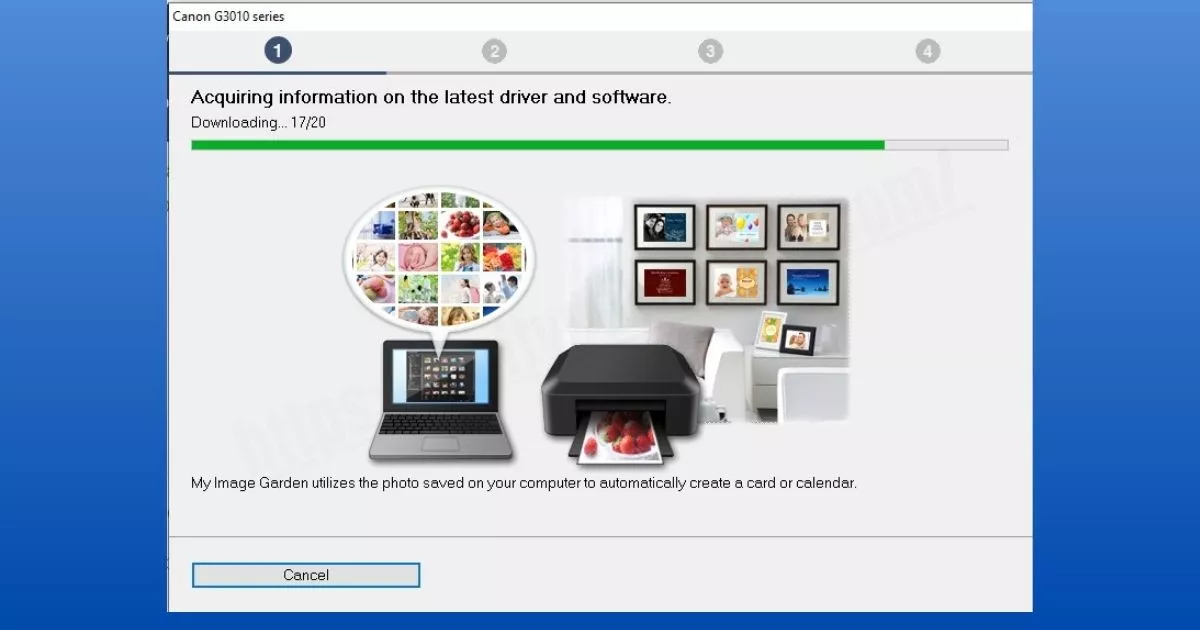
The Canon printer setup guide will appear with clear instructions for your specific printer model. Click “Next” to proceed through each screen, selecting your connection type (USB or wireless) when prompted. The wizard automatically detects your Canon printer and configures the appropriate settings for optimal performance. Pay attention to any specific prompts about wireless network credentials or USB cable connections during this Canon printer laptop connection process.




Accept license agreements and select installation preferences
Read through Canon’s software license agreement and click “Accept” to continue the installation. Choose your preferred installation options, including whether to install additional Canon software utilities like scanning applications or maintenance tools. Most users benefit from selecting the “Full Installation” option, which includes all necessary drivers and helpful Canon printer software for complete functionality.
Restart your laptop when prompted
Complete the Canon printer driver installation by restarting your laptop when the system requests it. This restart ensures all driver components load properly and integrates your Canon printer with your operating system. After rebooting, your laptop will recognize the Canon printer automatically, allowing you to proceed with printer configuration and testing to verify successful installation.
Configure Printer Settings Through System Preference
Access your laptop’s printer settings menu
Navigate to your laptop’s system settings to begin the Canon printer configuration process. On Windows, click the Start menu and select “Settings,” then choose “Devices” or “Bluetooth & devices.” Mac users should click the Apple menu and select “System Preferences” or “System Settings,” depending on your macOS version.
Select “Add Printer” or “Printers & Scanners”
Look for the “Printers & scanners” option in your settings menu and click it. Windows users will see an “Add a printer or scanner” button, while Mac users will find a plus (+) sign to add new devices. This opens the printer detection interface where your Canon printer setup laptop process continues.
Choose your Canon printer from the detected devices list
Your system will automatically scan for available printers. Wait for your Canon printer to appear in the list of detected devices – this may take 30-60 seconds. If you don’t see your Canon printer laptop connection immediately, ensure both devices are on the same Wi-Fi network for wireless setups, or check cable connections for wired installations.
Set your Canon printer as default if desired
Once you’ve added your Canon printer, you can designate it as your default printing device. Right-click on your Canon printer name and select “Set as default printer” on Windows, or click “Default printer” dropdown on Mac. This Canon printer configuration laptop step ensures all print jobs automatically route to your Canon device unless specified otherwise.
Adjust print quality and paper size preferences
Access advanced printer settings by right-clicking your Canon printer and selecting “Printing preferences” or “Printer properties.” Here you can modify print quality settings, paper sizes, color options, and duplex printing preferences. These Canon printer setup guide adjustments optimize your printing experience based on your specific needs and paper types you commonly use.
Test Your Canon Printer Connection
Print a test page to verify successful installation
Printing a test page confirms your Canon printer setup laptop connection works properly. Right-click your printer in Windows settings and select “Print test page” to verify the installation. Most Canon printers also have a built-in test page option accessible through the printer’s control panel menu.
Check print quality and alignment settings
After successful Canon printer driver installation, examine your test page for clarity, color accuracy, and proper alignment. Access printer properties through your laptop’s device settings to adjust print quality, paper type, and alignment if needed. Poor quality often indicates low ink levels or incorrect driver configuration.
Test scanning functionality if your printer supports it
Multi-function Canon printers require testing both print and scan capabilities to ensure complete Canon printer laptop connection. Open your installed Canon printer software or Windows Scan app to test document scanning. Verify the scanner recognizes your laptop and produces clear digital copies before completing your Canon printer configuration laptop setup.
Conclusion
Setting up your Canon printer with your laptop doesn’t have to be a headache. By checking your system requirements first, gathering the right cables and information, making the physical connection, installing the proper drivers, and adjusting your settings, you’ll have everything running smoothly in no time. The key is taking it step by step rather than rushing through the process.
Don’t forget to run a test print once everything is connected to make sure your setup is working perfectly. If you run into any hiccups along the way, double-check your connections and make sure you downloaded the latest drivers from Canon’s website. With these steps in your toolkit, you’ll be printing documents, photos, and everything else with confidence.